Rigid PIR Insulation Boards for Chingford Lofts
High-Efficiency Rigid PIR Insulation Systems Designed for Maximum Loft Thermal Performance
Space-Efficient PIR Boards • Professional Installation • Reliable Thermal Performance
High-Efficiency Rigid PIR Insulation Systems Designed for Maximum Loft Thermal Performance
Space-Efficient PIR Boards • Professional Installation • Reliable Thermal Performance
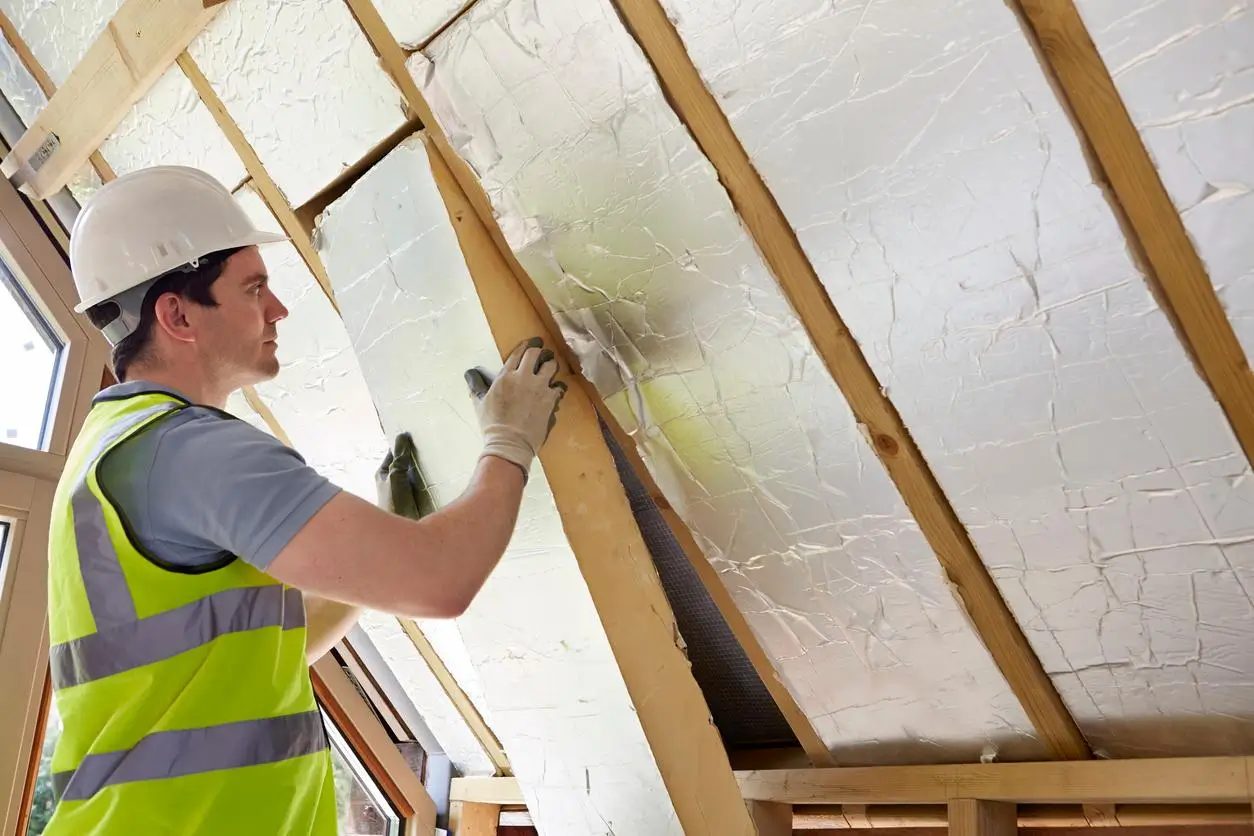
Rigid PIR loft insulation is a high-performance rigid board insulation made from polyisocyanurate foam, typically faced with aluminium foil on both sides. Unlike traditional loft roll insulation such as mineral wool, PIR boards are solid panels that deliver strong thermal resistance with far less thickness, making them particularly useful in roof structures where space is limited.
Rigid PIR insulation is commonly used when insulation needs to be installed within the roof structure itself rather than across the loft floor. This approach is often seen in warm roof systems, where insulation sits between or above rafters to keep the entire roof structure within the insulated envelope.
When installed correctly, rigid PIR insulation boards can significantly improve the thermal efficiency of a loft space. By reducing heat loss through the roof structure, they help stabilise indoor temperatures and improve the overall energy performance of the property.
PIR insulation boards are commonly installed in lofts where standard mineral wool insulation cannot achieve the required performance due to space limitations or structural layout. Because PIR delivers high thermal resistance per thickness, it can solve insulation challenges in more complex roof spaces.
Many properties with large loft spaces and adequate joist depth can achieve strong insulation performance using standard loft roll insulation. In these situations, rigid PIR boards may not provide significant additional benefit.
Before installing PIR boards, we consider the full roof structure, including ventilation pathways, rafter spacing, and existing insulation levels. This helps ensure the insulation system chosen delivers long-term thermal performance without introducing moisture risks.
You can see our full overview of our loft insulation services on our homepage here: Chingford Loft Insulation service overview

Because PIR insulation is installed as solid boards rather than loose fibres, accuracy during installation is essential. Each board must be cut carefully to match the spacing of the rafters or joists so the insulation layer remains uninterrupted.
A well-installed PIR insulation system improves energy efficiency by limiting heat transfer through the roof. Maintaining airflow within the loft space also helps control moisture levels and protects the roof structure long-term
One of the main advantages of rigid PIR insulation in loft spaces is its ability to deliver high thermal resistance without requiring excessive thickness. PIR boards provide strong insulation performance per millimetre compared with many traditional insulation materials, making them particularly useful in roof structures where available space is limited.
When rigid PIR boards are measured, cut and installed correctly, they help provide:
While PIR boards offer strong thermal efficiency, the final performance always depends on correct installation. Boards must be cut precisely and fitted tightly to prevent gaps that could allow heat to escape around the insulation.
Installing PIR insulation within a roof structure involves more than selecting board thickness. In Chingford, Building Regulations help determine the level of thermal resistance required depending on whether the loft remains a storage space or becomes a habitable room.
The performance of roof insulation is usually measured using U-values. These values show how much heat can travel through a roof assembly, making them an important factor when designing insulation systems.
One of the advantages of rigid PIR boards is their ability to deliver high thermal performance while maintaining a relatively slim profile.
In many roof designs, PIR boards allow installers to reach insulation targets while still maintaining usable loft space.
For this reason, insulation design should consider airflow, condensation risk and structural layout alongside the insulation material itself.
Rigid PIR boards are high-performance insulation products — but only when installed correctly. Poor fitting or incorrect detailing can significantly reduce their effectiveness and create long-term issues within the roof structure.
Typical PIR insulation issues we encounter in Chingford lofts include:
Rigid PIR insulation requires careful installation planning. Boards must be cut accurately and fitted tightly within the roof structure.
Proper PIR installation ensures strong insulation performance, while poor fitting can introduce cold bridging and heat loss.
This careful assessment allows us to recommend a PIR insulation setup that matches the structure of your Chingford property.
Yes. PIR boards are often installed during roof renovations or loft conversions where improved insulation performance is required.
Boards must fit tightly within the roof structure to prevent gaps that allow heat to bypass the insulation layer.
Many roof insulation systems include vapour control layers alongside PIR boards to manage moisture movement within the roof structure.
By reducing heat transfer through the roof structure, PIR insulation helps maintain more stable indoor temperatures.
Because PIR delivers strong insulation performance in a thinner profile, it is often chosen where rafter depth or headroom is limited.