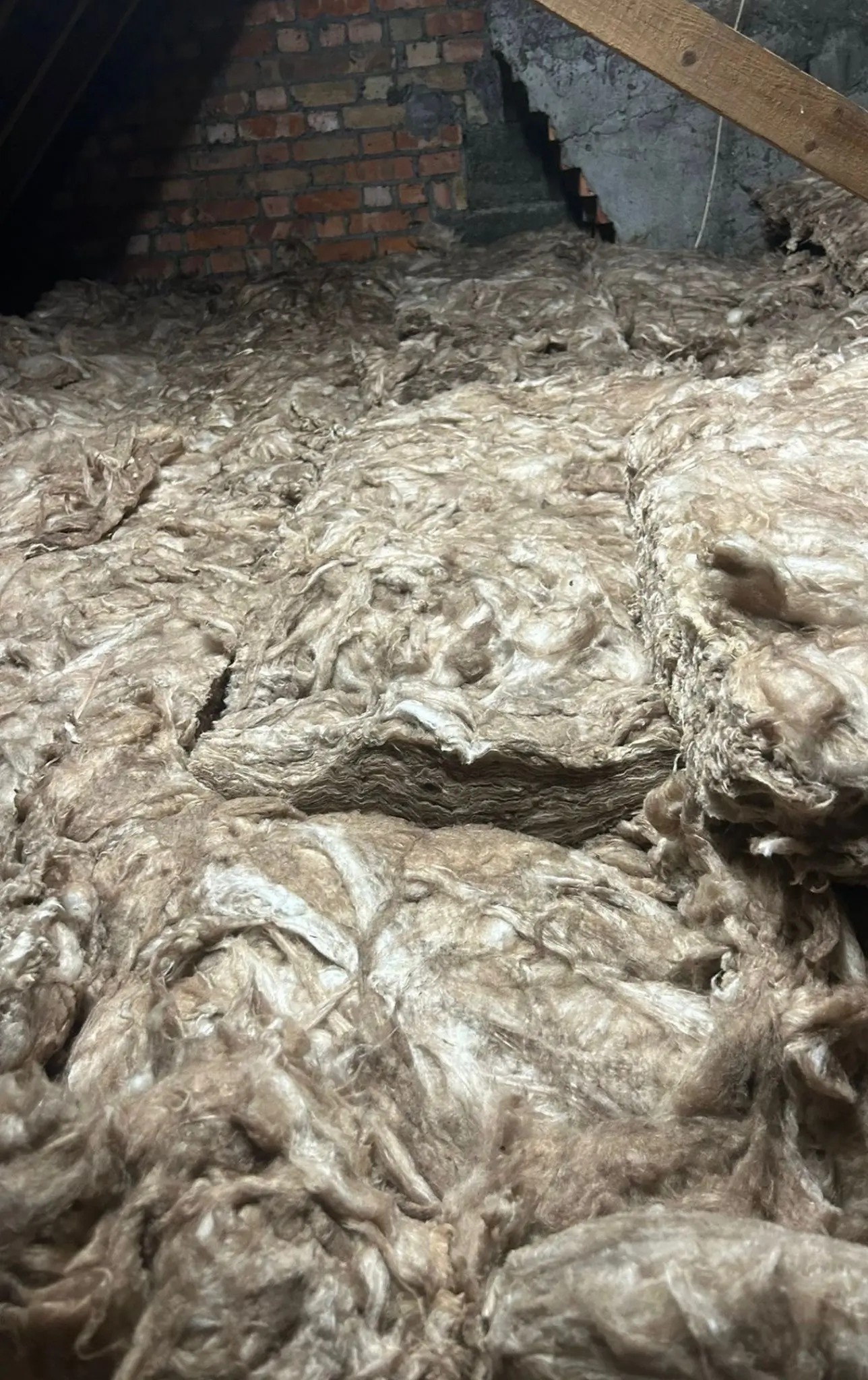
Increase Loft Insulation Performance in Chingford
Increase the depth of your current loft insulation and improve thermal performance without replacing what’s already working.
Reduced Heat Loss • Increased Insulation Depth • Reliable Performance
Increase the depth of your current loft insulation and improve thermal performance without replacing what’s already working.
Reduced Heat Loss • Increased Insulation Depth • Reliable Performance
Loft insulation already exists in many Chingford homes, particularly those insulated during earlier improvement schemes when recommended depths were far lower than they are today.
By adding carefully installed insulation on top of the existing layer, a top-up improves the loft’s ability to hold warmth within the home.
Where existing insulation remains in good condition but lacks sufficient depth, a top-up can deliver meaningful improvements to heat retention without requiring complete removal. By carefully increasing the insulation layer above what is already installed, thermal performance can be improved while preserving the stable materials already in place.
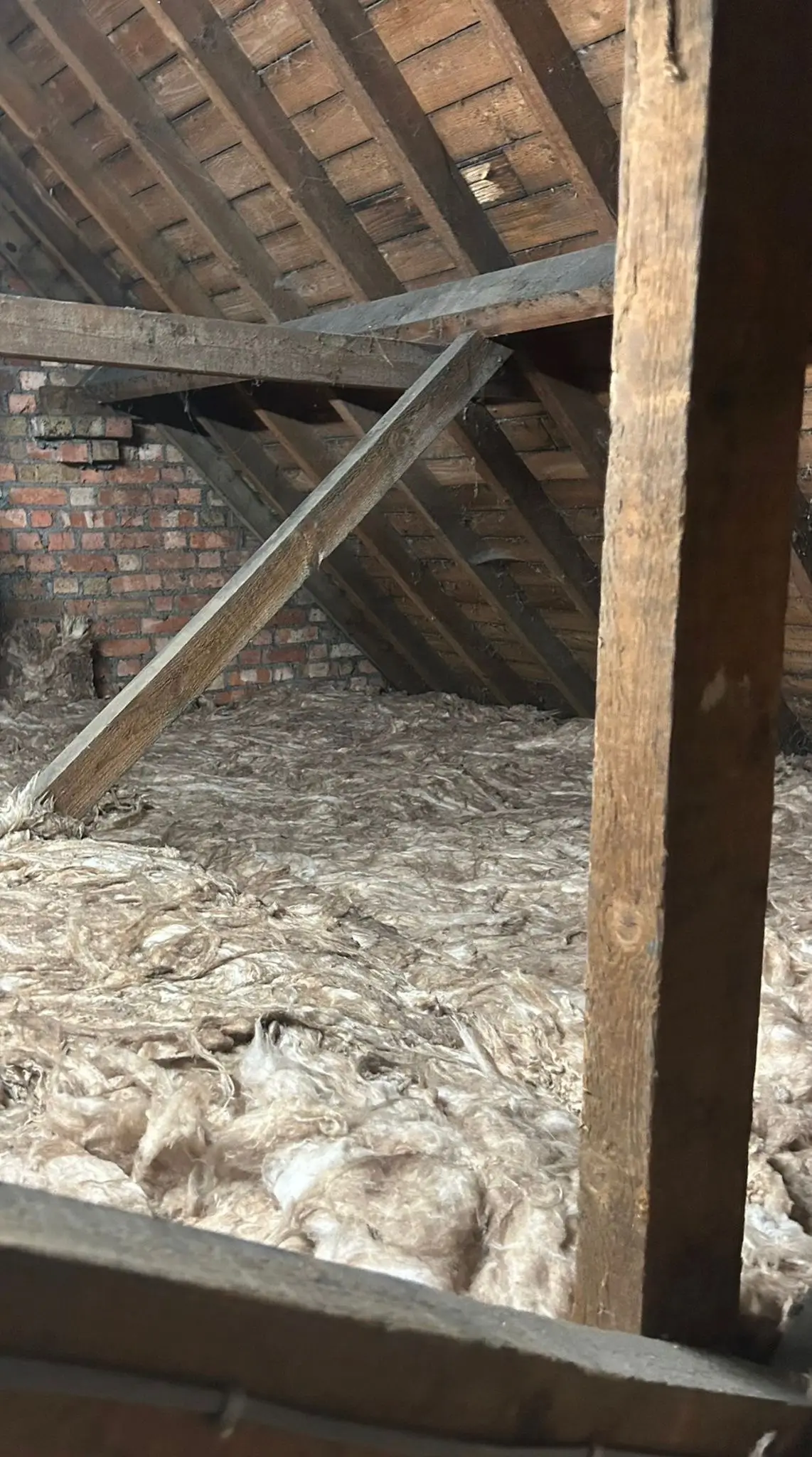
No two loft spaces in Chingford are identical. Older insulation can become uneven over time, and structural differences in roof framing can influence how additional material should be installed.
Insulation layers are distributed evenly across the loft floor to avoid creating inconsistent thermal zones.
From central Chingford homes to surrounding areas across East London, the objective is always the same — stable insulation depth and uninterrupted ventilation.
A well-installed loft insulation top-up works passively in the background, improving energy efficiency without requiring ongoing maintenance.
Where insulation depth falls below modern standards, warm air can escape rapidly through the loft floor. A correctly installed loft insulation top-up strengthens the thermal barrier and helps keep internal heat where it belongs.
A well-insulated loft helps regulate temperature throughout the house. By increasing existing insulation levels, a top-up supports better heat retention and improved energy performance.
Because loft insulation top-ups build on insulation that already exists, they are usually far more affordable than full removal and replacement. Homeowners can improve thermal performance without the cost of starting from scratch.
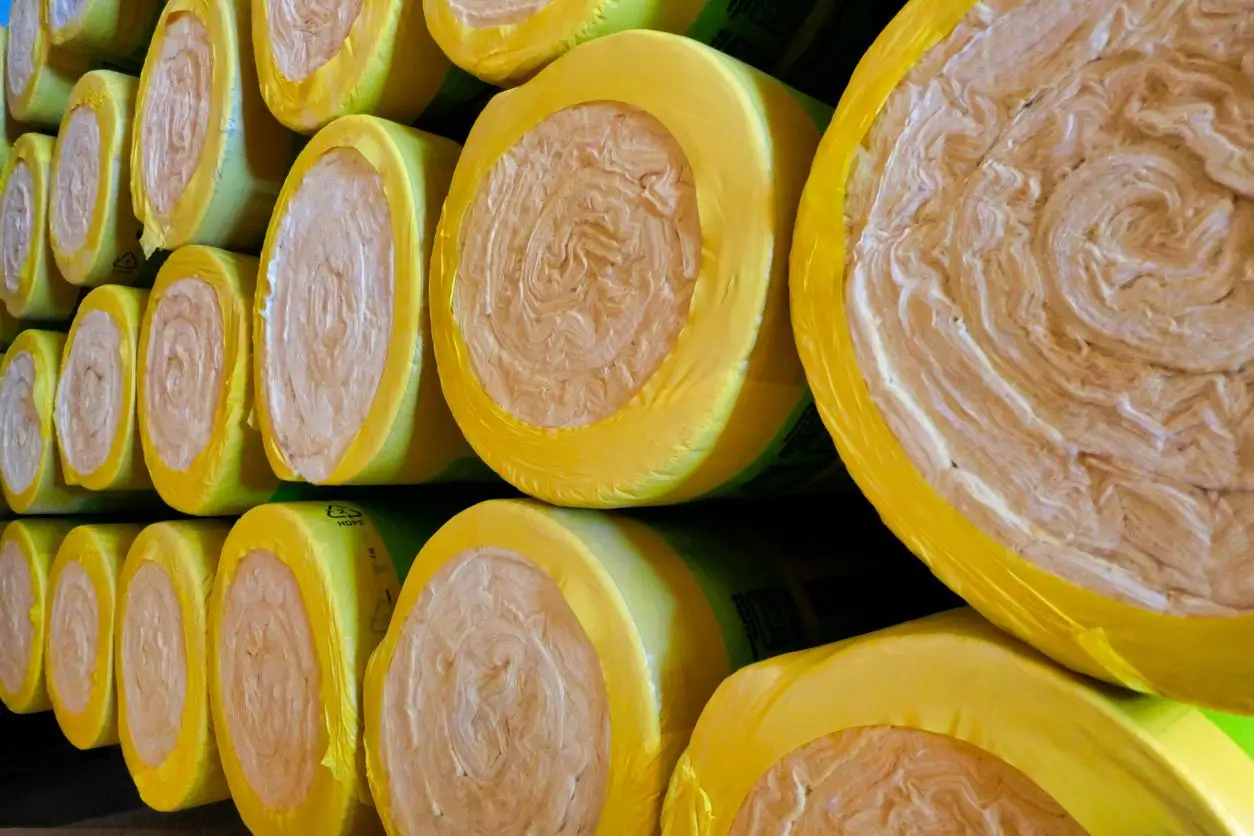
Across Chingford, many lofts contain insulation that was installed years ago when thermal guidance was far lower than it is today. While the existing material may still be functional, increasing its depth can significantly improve heat retention.
To achieve this, additional insulation is laid evenly across the loft floor rather than simply adding material in open areas. This careful installation approach ensures consistent depth while protecting ventilation around the roof structure.
Across the wider East London, effective insulation upgrades always depend on consistent coverage across the loft floor while maintaining ventilation routes within the roof structure.
Over time this allows the property to retain warmth more efficiently without changing how the loft space is used day to day.
In many Chingford properties, loft insulation is already present but falls short of current thermal depth guidance. Where the existing material remains in good condition, adding additional insulation on top can be a practical way to strengthen the loft’s overall thermal performance.
For this reason, the condition of the existing insulation always needs to be assessed first. If the material has deteriorated, become damp or been compressed under stored items or boarding, a full replacement may provide a more reliable long-term result.
Even when insulation already exists, heat can still escape through small gaps across the loft floor. Open areas around pipework, loft hatches, recessed lighting and uneven insulation layers often become thermal weak points where warm air rises and gradually escapes through the roo
A loft insulation top-up works by increasing the overall depth of the insulation layer so heat takes longer to pass through it. The additional material strengthens the thermal barrier already in place, helping reduce heat escaping through the roof while allowing the loft structure to continue breathing naturally.
Most roof spaces across Chingford depend on steady airflow moving through the eaves and roofline. During a loft insulation top-up, insulation must be positioned carefully so these ventilation pathways remain open and moisture cannot accumulate within the loft.
When installed with ventilation in mind, a loft insulation top-up strengthens thermal performance while allowing the loft space to continue regulating moisture naturally.
In most cases it is. If the existing insulation is still in good condition, adding additional insulation is usually far more cost-effective than removing everything and reinstalling from scratch.
Most loft insulation top-ups can be completed within a single day depending on the size of the loft and how accessible the space is.
Yes. As long as ventilation remains clear and insulation stays in good condition, additional depth can be added if required.
Proper installation ensures airflow paths around the eaves remain clear so the loft continues to ventilate naturally.
Most work takes place inside the loft space itself, so disruption to the rest of the property is usually minimal.